
There’s something so comforting about a warm bowl of noodles, isn’t there? Whether it’s a chilly evening or a cozy weekend, slurping up delicious noodles can feel like a warm hug. Today, I’m excited to share a delightful recipe that highlights the differences between two beloved noodle types: soba and udon. Not only is this dish quick to prepare, but it’s also incredibly satisfying and perfect for any gathering!
Why You’ll Love Soba vs Udon: What’s the difference?
- Fast: You can have the main components prepped and on your table in about 30 minutes.
- Easy: It’s a simple method that anyone can master, even if you’re new to cooking.
- Versatile: You can customize it with your favorite proteins and veggies, making it perfect for any palate.
- Comforting: Both soba and udon noodles bring that cozy, homey feeling with every delicious bite!
Ingredients
- Soba noodles: Made from buckwheat, these noodles have a nutty flavor and are a great source of protein.
- Udon noodles: Thicker and chewier, udon noodles are made from wheat and are perfect for soaking up broth.
- Broth: You can use dashi for a traditional taste or a soy sauce-based broth for a richer flavor.
- Vegetables: Think about using green onions, mushrooms, or spinach for a pop of color and nutrition.
- Proteins: Tofu, chicken, or shrimp can be added for substance and flavor.
- Seasonings: A splash of sesame oil, mirin, or soy sauce will elevate your dish beautifully.
How to Make Soba vs Udon: What’s the difference?
Let’s dive into the cooking process! Follow these steps, and you’ll have a delicious bowl of noodles ready in no time.
- Start by preparing your broth. Heat dashi or your soy sauce-based liquid in a pot over medium heat.
- While the broth is warming, cook the soba noodles according to the package instructions, usually boiling for about 4-5 minutes. Once they’re done, drain and rinse them under cold water to stop the cooking process.
- In a separate pot, cook the udon noodles by following the package directions, typically boiling for 5-8 minutes. Once cooked, drain and set aside.
- In a large pan, sauté your choice of vegetables and protein in a drizzle of sesame oil until everything is cooked through and fragrant.
- Add either the cooked soba or udon noodles to the pan with the sautéed ingredients. It’s fun to mix and match here!
- Pour your prepared broth over the noodles and gently stir to combine all the flavors.
- Season to taste with mirin and soy sauce, adjusting to your preference.
- Serve hot, garnished with additional green onions or sesame seeds if you’d like a little extra flair.
Substitutions & Additions
If you’re feeling adventurous, here are some swaps and creative upgrades you can try:
- For a gluten-free option, use rice noodles instead of soba or udon.
- Add a splash of chili oil for a spicy kick!
- Try different vegetables like bok choy or bell peppers for added crunch and color.
- For an extra layer of flavor, toss in some garlic or ginger while sautéing your veggies.
Tips for Success
Before you jump in, here are a few tips to ensure your noodle dish turns out perfectly:
- Don’t overcook your noodles; they should have a slight bite to them.
- Make sure to rinse soba noodles after cooking to prevent them from getting sticky.
- If you want to prepare ahead, chop your vegetables and proteins in advance and store them in the fridge.
How to Store Soba vs Udon: What’s the difference?
If you find yourself with leftovers (or want to meal prep), here’s how to store your noodles:
- Store any leftover noodles and broth separately in airtight containers in the fridge for up to 3 days.
- Reheat gently on the stove or in the microwave, adding a splash of water to loosen the noodles if needed.
FAQs
- Can I use any broth for this recipe? Absolutely! You can customize it with whatever broth you prefer, including vegetable broth for a vegetarian option.
- Are soba noodles healthier than udon? Soba noodles are often considered healthier due to their buckwheat content, which is high in protein and nutrients.
- Can I add more spices? Definitely! Feel free to experiment with spices like crushed red pepper or even a sprinkle of furikake for added flavor.
This Soba vs Udon dish is not just about the noodles; it’s about the experience of sharing a meal with loved ones. For more delicious recipes, check out the Japanese Apple Salad or Oyakodon Recipe for treats you will love!
Happy cooking, and don’t forget to share your noodle adventures with me! For more inspiration, follow us on Pinterest.

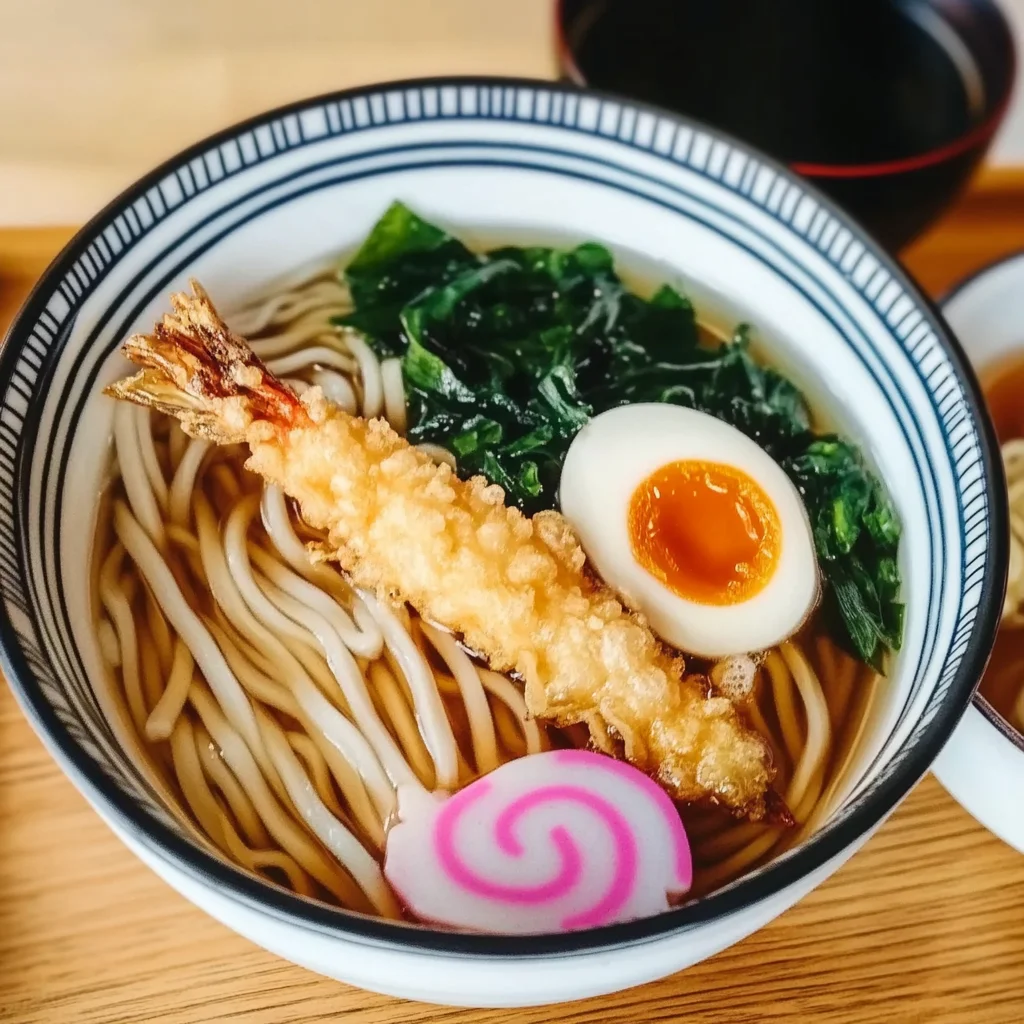
Soba vs Udon: What’s the Difference?
Ingredients
Equipment
Method
- Step 1: Start by preparing your broth. Heat dashi or your soy sauce-based liquid in a pot over medium heat.
- Step 2: While the broth is warming, cook the soba noodles according to the package instructions, usually boiling for about 4-5 minutes. Once they're done, drain and rinse them under cold water to stop the cooking process.
- Step 3: In a separate pot, cook the udon noodles by following the package directions, typically boiling for 5-8 minutes. Once cooked, drain and set aside.
- Step 4: In a large pan, sauté your choice of vegetables and protein in a drizzle of sesame oil until everything is cooked through and fragrant.
- Step 5: Add either the cooked soba or udon noodles to the pan with the sautéed ingredients. It's fun to mix and match here!
- Step 6: Pour your prepared broth over the noodles and gently stir to combine all the flavors.
- Step 7: Season to taste with mirin and soy sauce, adjusting to your preference.
- Step 8: Serve hot, garnished with additional green onions or sesame seeds if you'd like a little extra flair.