
There’s something magical about making your own sauces at home, isn’t there? It brings back memories of family meals and warm kitchens filled with delightful aromas. Today, I want to share a recipe that’s not only rewarding but also surprisingly simple: homemade Japanese soy sauce. With just a handful of ingredients and a bit of patience, you can create a flavor-packed condiment that will elevate your dishes to new heights!
Why You’ll Love Japanese Soy Sauce
- Fast: Although the fermentation takes time, the initial steps can be done in just a few hours.
- Easy: With just a few ingredients and clear instructions, even beginner cooks can master this recipe.
- Giftable: A bottle of homemade soy sauce makes a thoughtful gift for friends and family who love to cook.
- Crowd-pleasing: Nothing beats the rich flavor of homemade soy sauce in your favorite dishes!
Ingredients
- 1 cup soybeans – The star ingredient that gives soy sauce its distinct flavor.
- 1 cup wheat flour – This adds depth and a unique texture to the sauce.
- 4 cups water – Used for soaking and cooking the soybeans.
- 1 cup koji (Aspergillus oryzae) – This fermentation starter is crucial for developing flavor.
- 1 cup sea salt – Enhances flavor and acts as a preservative.
How to Make Japanese Soy Sauce
Ready to get started? Let’s dive into the steps!
- Rinse the soybeans thoroughly and soak them in water for 12 hours. This softens them and prepares them for cooking.
- Drain the soybeans and steam them for 2 hours until tender. You want them nice and soft for easy mashing.
- Allow the soybeans to cool and then mash them into a paste. This can be done with a fork or a food processor for a smoother texture.
- In a separate bowl, mix the wheat flour with a small amount of water to create a dough. This will help to bind the ingredients together.
- Combine the soybean paste and wheat dough, then add the koji, mixing well. This is where the magic begins!
- Place the mixture in a fermentation container and cover it loosely to allow air circulation. You want the good bacteria to thrive.
- Let the mixture ferment at room temperature for 6 months, stirring occasionally. Be patient; good things come to those who wait!
- After fermentation, strain the liquid from the mixture using a fine mesh sieve or cheesecloth. This separates the liquid soy sauce from the solids.
- Add sea salt to the strained liquid and mix until dissolved. This enhances the flavor and preserves the sauce.
- Transfer the soy sauce to bottles and store in a cool, dark place. Your homemade soy sauce is now ready to use!
Substitutions & Additions
If you want to get creative, here are some ideas:
- Use tamari instead of soy sauce for a gluten-free option.
- Add spices like ginger or garlic during fermentation for a unique twist.
Tips for Success
Here are some common mistakes to avoid and prep-ahead ideas:
- Make sure your fermentation container is clean to prevent unwanted bacteria.
- Stir the mixture regularly to promote even fermentation.
- If you’re short on time, consider making a smaller batch to start with.
How to Store Japanese Soy Sauce
To keep your homemade soy sauce fresh:
- Store it in glass bottles to preserve the flavor.
- Keep it in a cool, dark place away from direct sunlight.
- Homemade soy sauce can last for up to a year if stored properly.
FAQs
Can I use different types of beans?
Yes, while soybeans are traditional, you can experiment with other legumes, though the flavor may vary.
What can I use soy sauce in?
Homemade soy sauce is perfect for marinades, stir-fries, dipping sauces, and even salad dressings.
How do I know when my soy sauce is ready?
It should have a rich, dark color and a pleasant aroma after the fermentation period.
Can I make a smaller batch?
Absolutely! Just adjust the ingredient quantities accordingly.
And there you have it! Making your own Japanese soy sauce is a rewarding experience that brings a touch of tradition to your kitchen. For more delicious recipes, check out my Pork Spring Rolls or Hamachi Teriyaki for treats you will love!
If you enjoyed this recipe, be sure to follow us on Pinterest for more delicious ideas. Happy cooking!

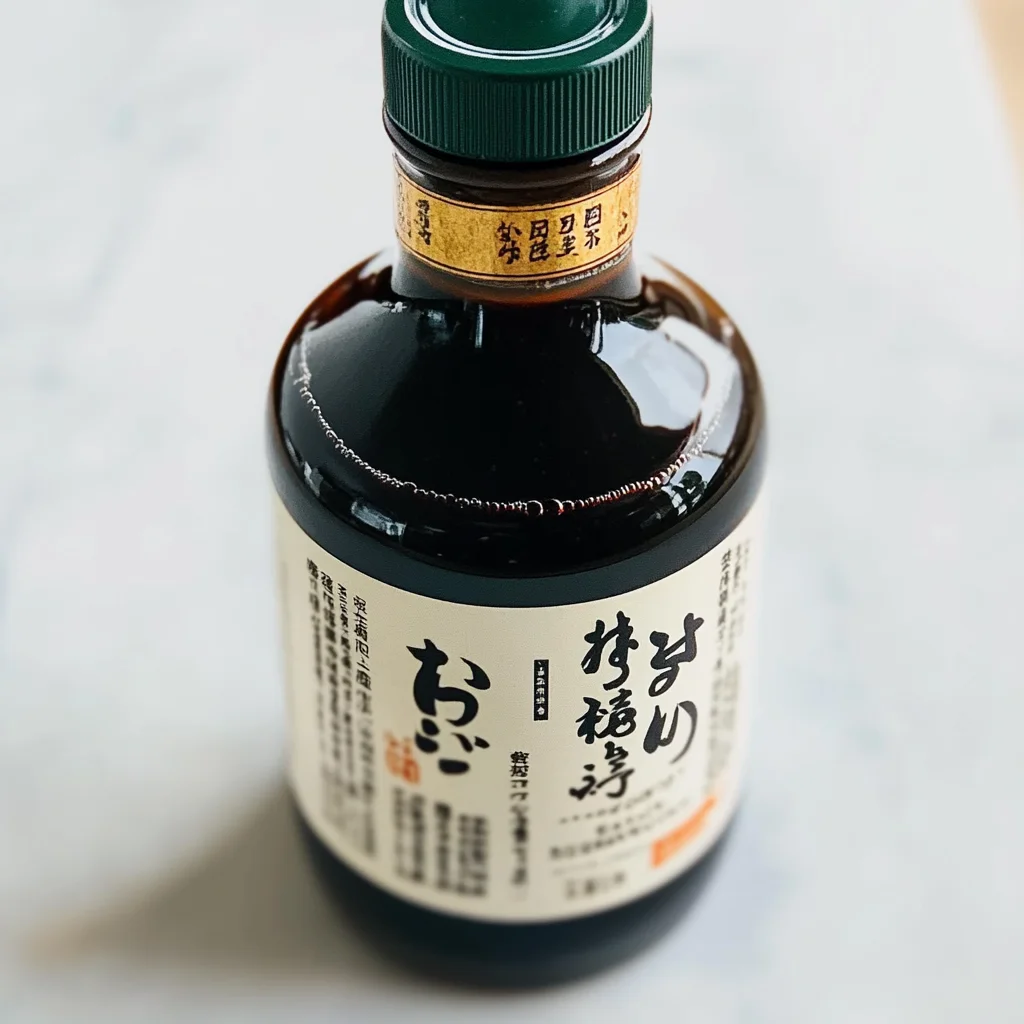
Homemade Japanese Soy Sauce
Ingredients
Equipment
Method
- Step 1: Rinse the soybeans thoroughly and soak them in water for 12 hours. This softens them and prepares them for cooking.
- Step 2: Drain the soybeans and steam them for 2 hours until tender. You want them nice and soft for easy mashing.
- Step 3: Allow the soybeans to cool and then mash them into a paste. This can be done with a fork or a food processor for a smoother texture.
- Step 4: In a separate bowl, mix the wheat flour with a small amount of water to create a dough. This will help to bind the ingredients together.
- Step 5: Combine the soybean paste and wheat dough, then add the koji, mixing well. This is where the magic begins!
- Step 6: Place the mixture in a fermentation container and cover it loosely to allow air circulation. You want the good bacteria to thrive.
- Step 7: Let the mixture ferment at room temperature for 6 months, stirring occasionally. Be patient; good things come to those who wait!
- Step 8: After fermentation, strain the liquid from the mixture using a fine mesh sieve or cheesecloth. This separates the liquid soy sauce from the solids.
- Step 9: Add sea salt to the strained liquid and mix until dissolved. This enhances the flavor and preserves the sauce.
- Step 10: Transfer the soy sauce to bottles and store in a cool, dark place. Your homemade soy sauce is now ready to use!